





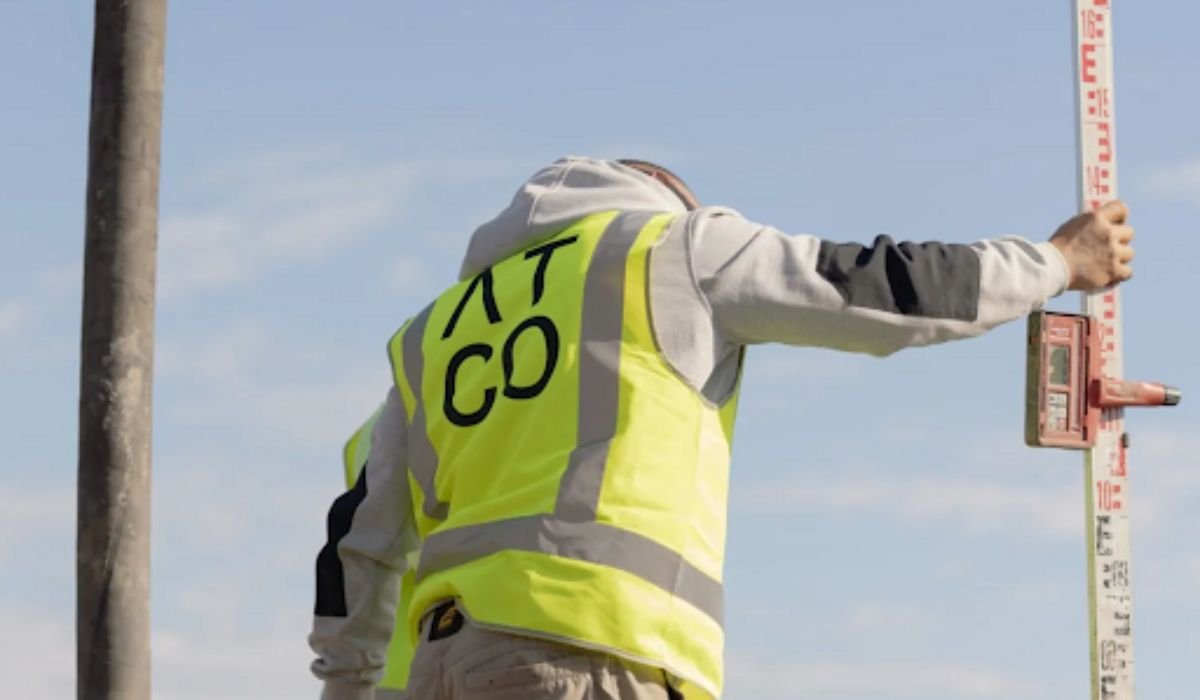
Large-scale construction and infrastructure projects demand more than technical capability alone. They require strategic coordination, experienced leadership and a deep understanding of how multiple project components interact over time. Whether delivering facilities for government, defence, education or remote operations, long-term success depends on working with a provider that understands the full project lifecycle. This is why many organisations choose to visit ATCO Projects to discover all their building services and gain insight into how integrated delivery models support reliable and efficient outcomes.
When a single provider manages multiple stages of design, manufacture and delivery, projects benefit from greater consistency, reduced risk and clearer accountability. Understanding the value of integrated building services allows stakeholders to make informed decisions that support quality, compliance and long-term performance.
The Importance of End-to-End Project Delivery
End-to-end project delivery involves managing a project from initial concept through design, construction, installation and ongoing support. This holistic approach provides stronger oversight of cost, quality and scheduling, reducing the likelihood of miscommunication or fragmented responsibility.
When one team oversees design development, manufacturing, transport logistics, on-site installation and commissioning, information flows more efficiently between stages. Decisions can be made faster, risks identified earlier and solutions implemented without delay. This continuity allows projects to progress smoothly while maintaining alignment with original objectives. End-to-end delivery also provides clearer accountability. Clients know who is responsible for outcomes at every stage, which supports transparency and trust throughout the project lifecycle.
Managing Complexity Across Diverse Project Environments
Many large-scale building projects operate in environments that present unique challenges. Remote locations, high-security sites, active operational facilities and areas with limited infrastructure all require careful planning and adaptability.
Experienced project teams understand how to manage logistics, site access, workforce coordination and regulatory requirements across different regions. They anticipate challenges related to weather conditions, transportation limitations and resource availability, and develop contingency plans to address potential disruptions. Effective management of complexity ensures projects remain on schedule and within budget, even when conditions are unpredictable. This capability is particularly important for projects that support essential services or critical infrastructure.
Modular Construction and Off-Site Manufacturing Benefits
Modular construction has become a cornerstone of modern building delivery, particularly for complex and time-sensitive projects. Off-site manufacturing allows building components to be produced in controlled environments before being transported to site for installation.
This approach improves quality control by reducing exposure to weather and site-related variables during construction. It also enhances safety, as manufacturing environments can be more closely managed than active construction sites. In addition, modular construction reduces waste and shortens project timelines by allowing site preparation and manufacturing to occur simultaneously. For operational facilities, modular delivery minimises on-site disruption, making it an ideal solution for healthcare, education, defence and infrastructure projects where continuity of operations is essential.
Supporting Government and Institutional Projects
Government and institutional projects require a high level of compliance, transparency and accountability. These projects often involve public funding, long-term asset ownership and significant community impact, which increases the importance of reliable delivery.
Building service providers operating in this space must meet strict standards for safety, reporting and quality assurance. They must also understand procurement frameworks, approval processes and stakeholder expectations unique to public sector projects. Professional delivery supports trust between project partners and ensures facilities meet both immediate operational needs and long-term public value objectives. Clear governance, documentation and compliance processes are critical to achieving successful outcomes in this environment.
Designing for Functionality and Longevity
Effective building services prioritise both immediate functionality and long-term performance. Facilities must meet current operational requirements while remaining adaptable to future needs.
Thoughtful design considers usage patterns, maintenance requirements and the potential for future expansion or reconfiguration. Durable materials, efficient systems and flexible layouts reduce long-term maintenance costs and minimise downtime. Designing for longevity protects investment by extending asset life and supporting sustainable operation. This approach is particularly important for infrastructure and institutional projects expected to serve communities for decades.
Compliance and Regulatory Considerations
Construction and infrastructure projects must comply with a wide range of regulations, standards and approvals. These requirements vary depending on project type, location, sector and intended use.
Experienced providers navigate compliance efficiently by integrating regulatory requirements into the design and delivery process from the outset. This proactive approach reduces approval delays, avoids costly rework and minimises risk exposure. Compliance-focused delivery also supports safety, environmental responsibility and operational readiness, ensuring projects meet all legal and industry obligations before handover.
Coordinating Multiple Stakeholders Effectively
Large-scale projects involve numerous stakeholders, including clients, consultants, contractors, suppliers and regulatory authorities. Coordinating these parties requires structured communication, clear processes and strong leadership.
Integrated project teams act as a central point of coordination, aligning objectives and managing expectations across all stakeholders. Regular reporting, clear documentation and transparent decision-making processes help maintain trust and collaboration. Effective coordination reduces misunderstandings, prevents duplication of effort and supports timely resolution of issues, contributing to smoother project delivery.
Delivering Solutions for Remote and Regional Locations
Remote and regional projects present distinct challenges related to access, logistics and workforce availability. Transporting materials, mobilising teams and maintaining schedules in these environments requires specialised expertise.
Providers with experience in remote delivery understand how to plan transport routes, manage site preparation and sequence installation activities efficiently. Prefabrication and modular construction are particularly valuable in these settings, reducing on-site labour requirements and minimising project risk. Reliable delivery in remote and regional areas supports essential services, community development and economic resilience across diverse regions.
Emphasising Safety Across All Project Stages
Safety is a fundamental consideration throughout the building services lifecycle. From manufacturing environments to transport and on-site installation, maintaining safe work practices protects both people and assets.
Professional teams implement comprehensive safety management systems, including training, risk assessments and ongoing monitoring. Consistent safety standards across all stages reduce incidents, support compliance and promote workforce wellbeing. A strong safety culture contributes to project success by ensuring work progresses efficiently and responsibly, without unnecessary interruptions or hazards.
Long-Term Value Through Asset Management
Building services extend beyond construction completion. Long-term value is achieved through effective asset management, maintenance planning and lifecycle support.
Facilities that are well designed, properly commissioned and supported with clear documentation perform more reliably over time. Structured handover processes ensure operators understand system requirements, maintenance schedules and performance expectations. Lifecycle-focused delivery protects assets, supports operational continuity and reduces total cost of ownership.
Adaptability in Changing Project Requirements
Project requirements can evolve due to funding changes, policy updates, technological advancements or operational needs. Adaptable building services allow projects to respond to these changes without compromising quality or timelines.
Flexible design and delivery approaches support modifications while maintaining performance standards. This adaptability is especially important for long-term or multi-stage projects where conditions may change over time. Responsive service delivery enhances resilience and gives stakeholders confidence that projects can evolve alongside organisational needs.
Conclusion
Successful construction and infrastructure projects rely on integrated building services that manage complexity, compliance and coordination effectively. Choosing to visit ATCO Projects to discover all their building services provides valuable insight into how comprehensive delivery models support reliable outcomes across government, commercial and infrastructure sectors. Through end-to-end project management, modular construction and a strong focus on safety and compliance, ATCO Projects supports the delivery of facilities that perform today and remain valuable well into the future.
Integrated building services are not simply about constructing assets. They are about creating dependable environments that support communities, operations and long-term growth with confidence and clarity.
YOU MAY ALSO LIKE: The Importance of Professional Building Maintenance and Renovations