





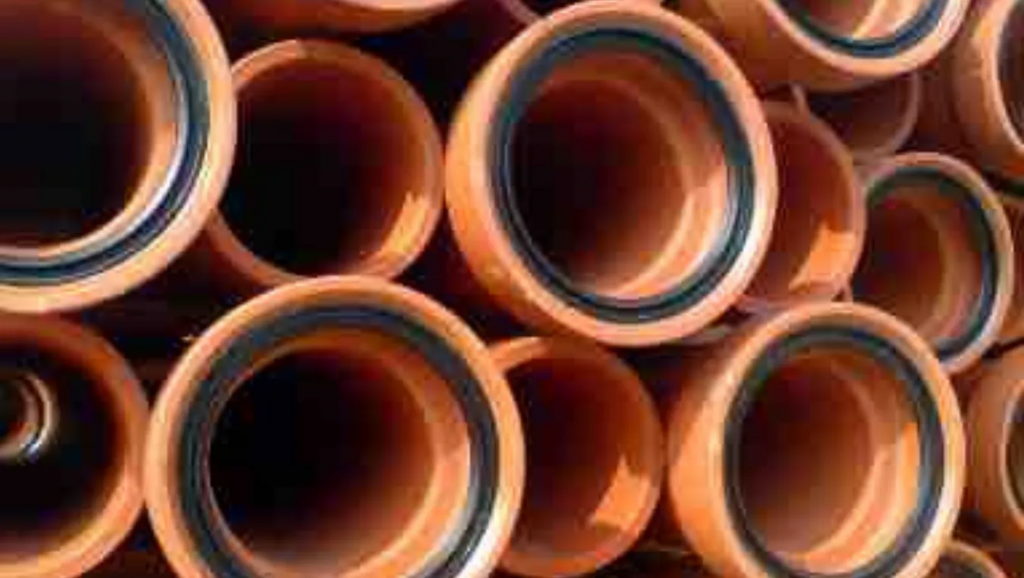
Terracotta pipes have been used extensively in Sydney homes for decades, particularly in older suburbs. While durable for their time, these pipes are now a common source of plumbing issues. Many property owners researching repairing terracotta pipes in Sydney by Pipe Relining Solutions are dealing with repeated blockages, leaks, or unexplained drainage problems. Understanding what causes terracotta pipe damage is the first step toward choosing the right repair method and preventing long-term plumbing failures.
Why Terracotta Pipes Were Common in Older Properties
Terracotta was once a popular choice for sewer and drainage pipes because it was relatively inexpensive, resistant to corrosion, and easy to manufacture. For many years, it performed adequately in residential plumbing systems.
However, terracotta pipes were never designed to last indefinitely. As properties age and environmental conditions change, the limitations of this material become more apparent. Many Sydney homes are now reaching the point where terracotta pipe systems require repair or replacement.
Tree Root Intrusion
One of the leading causes of terracotta pipe damage is tree root intrusion. Terracotta pipes are typically laid in short sections joined together, creating multiple joints along the pipe run. Over time, these joints can weaken or separate slightly.
Tree roots naturally seek moisture and nutrients. Even the smallest crack or gap in a pipe joint can attract roots, which then grow inside the pipe. As roots expand, they restrict water flow, trap debris, and eventually cause blockages or fractures.
Addressing root damage requires more than simple root cutting. Without sealing the pipe, roots will continue to return. Modern repair methods focus on restoring the pipe’s internal integrity to prevent future intrusion.
Ground Movement and Soil Shifting
Sydney’s soil conditions vary significantly depending on location, weather patterns, and construction activity. Ground movement caused by soil expansion, contraction, or settlement places stress on rigid terracotta pipes.
Unlike modern flexible piping materials, terracotta does not tolerate movement well. Even minor shifts in the ground can cause pipes to crack, misalign, or collapse at joints. These structural failures often develop gradually, making them difficult to detect until symptoms worsen. Repair solutions must stabilise the pipe from within to withstand ongoing ground movement and prevent further deterioration.
Age-Related Deterioration
Terracotta pipes naturally weaken over time. Many systems still in use today are 50 to 80 years old or more. As the material ages, it becomes brittle and prone to cracking.
Internal wear from water flow, waste materials, and mineral deposits can also degrade the pipe surface. Once cracks form, they allow leaks, root intrusion, and soil infiltration, accelerating damage. Age-related deterioration is often widespread along the pipe run, making spot repairs ineffective. Comprehensive internal repair methods are usually required to restore functionality.
Joint Failure and Pipe Separation
Terracotta pipes rely on joints to connect individual sections. These joints are a structural weak point, particularly as sealants degrade with age.
When joints fail, pipes can separate or shift, creating ledges inside the pipe. These ledges catch waste and debris, leading to frequent blockages and slow drainage. In severe cases, soil can enter the pipe, causing partial or complete collapse. Effective repairs must bridge these joints internally to restore a smooth, continuous flow path.
External Pressure From Construction or Landscaping
Renovations, extensions, and landscaping projects can unintentionally damage underground pipes. Heavy machinery, excavation, or changes to drainage patterns can place additional pressure on terracotta pipes.
Even if the pipes are not directly struck, altered load distribution can cause cracks or misalignment. Many homeowners only discover these issues months later when plumbing problems appear. Modern diagnostic tools help identify whether construction activity has contributed to pipe damage and guide appropriate repair strategies.
How Modern Repairs Address Terracotta Pipe Damage
Traditional pipe repair methods often involve excavation and replacement, which can be disruptive and expensive. Today, trenchless pipe relining offers a highly effective alternative for repairing terracotta pipes.
Pipe relining involves installing a resin-soaked liner inside the damaged pipe. Once cured, the liner forms a new, seamless pipe within the old one. This process seals cracks, reinforces weakened sections, and eliminates joints where roots and debris can enter. Because the repair is performed internally, it avoids digging through floors, driveways, or gardens. The result is a durable, long-lasting solution with minimal impact on the property.
When Pipe Relining Is the Best Option
Pipe relining is particularly effective when terracotta pipes are cracked, root-damaged, or misaligned but still largely intact. It restores structural strength without removing the original pipe.
In cases where pipes have completely collapsed or been crushed, excavation may still be necessary. A professional inspection determines whether relining is suitable or if replacement is required. Specialists such as Pipe Relining Solutions use CCTV inspections to assess pipe condition accurately before recommending the most appropriate repair method.
The Importance of Early Intervention
Terracotta pipe damage rarely improves on its own. Small cracks grow, roots return, and minor blockages escalate into major failures if left untreated.
Early detection and repair prevent secondary damage such as soil erosion, foundation issues, and wastewater leaks. Addressing problems promptly also reduces repair costs and avoids emergency plumbing situations. Regular inspections are especially valuable for older properties with original terracotta plumbing systems.
Long-Term Benefits of Proper Repair
Repairing terracotta pipes using modern techniques extends the life of the plumbing system by decades. Relined pipes are resistant to root intrusion, corrosion, and internal wear.
This approach also improves flow efficiency and reduces maintenance requirements. For homeowners, strata managers, and commercial property owners, long-term reliability translates into fewer disruptions and lower lifetime costs.
Conclusion
Terracotta pipe damage is common in older Sydney properties due to tree roots, ground movement, ageing materials, and joint failure. Understanding these causes helps property owners recognise warning signs and take appropriate action.
Modern repair methods offer effective, low-disruption solutions that restore pipe integrity without excavation. For those considering repairing terracotta pipes in Sydney by Pipe Relining Solutions, professional assessment and timely intervention are key to protecting plumbing systems and preventing costly future damage. When addressed early and correctly, terracotta pipe issues can be resolved efficiently, extending the life of existing infrastructure and restoring confidence in the property’s plumbing for years to come.
READ ALSO: Smart Solutions for Common Tap Problems in Your Home