





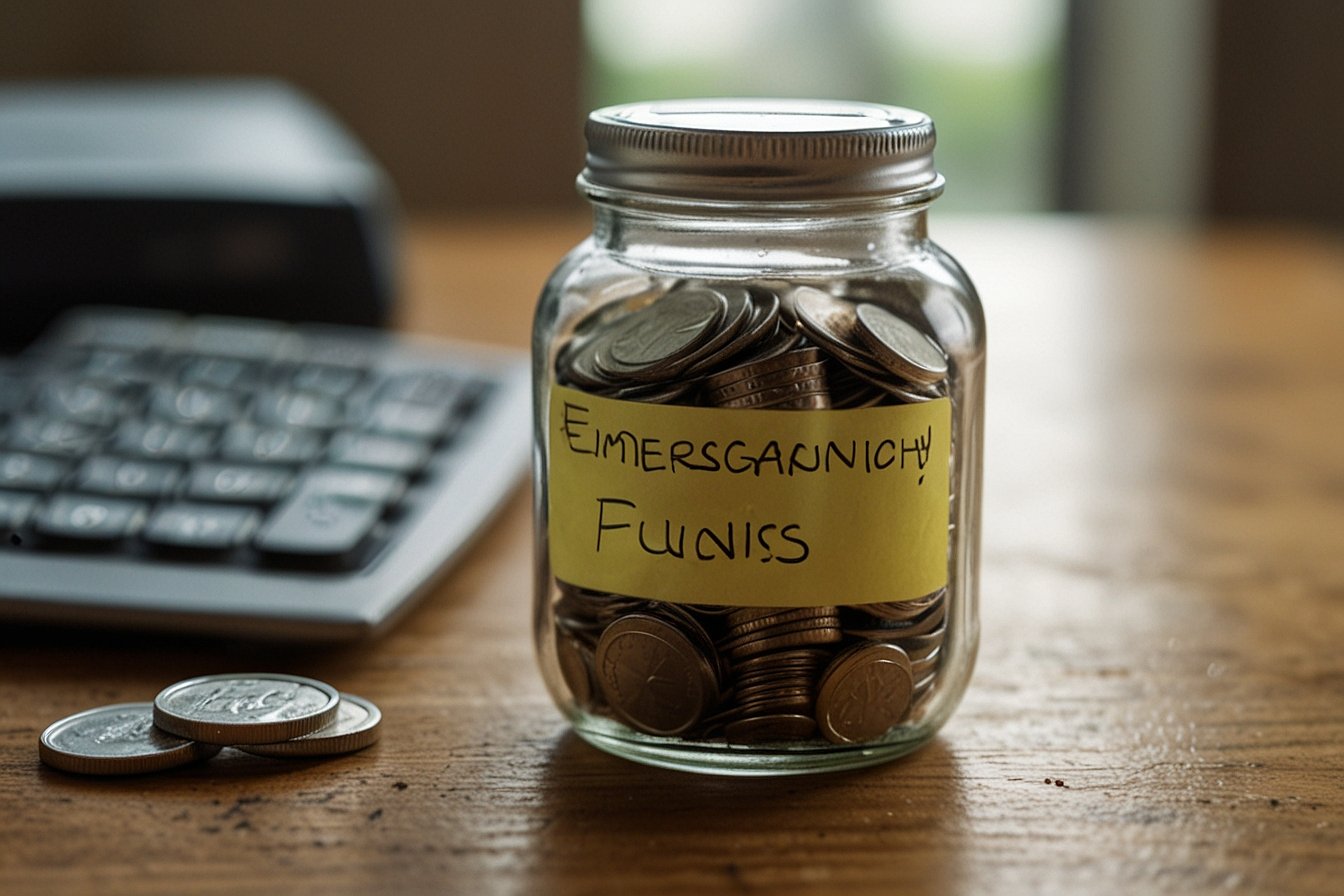
Imagine your car breaks down on the way to work or an unexpected medical bill lands in your mailbox. Does your stomach drop as you wonder how you’ll cover it? Or do you simply reach for a dedicated pot of cash that’s been quietly growing, untouched by everyday spending? For so many of us living paycheck to paycheck, that second scenario feels like a distant dream. But it doesn’t have to. This Emergency Fund Guide is here to turn that dream into your new reality—one calm, manageable step at a time.
Financial peace of mind isn’t reserved for high earners or those without debt. It’s a practical tool for anyone tired of the constant “financial fire-drill” lifestyle—robbing Peter to pay Paul, praying nothing else goes wrong. In this guide, you’ll discover exactly how much you need, where to keep it so it works for you (not against you), and simple strategies to build it even when money feels impossibly tight. No judgment, no overwhelming spreadsheets—just a supportive roadmap that meets you where you are.
Defining the “Rainy Day”: What is an Emergency Fund?
An emergency fund is your financial cushion—liquid assets set aside specifically for life’s curveballs. It’s not “extra” savings for a vacation or new gadgets. It’s the money that keeps you from spiraling when the unexpected hits.
Emergency Fund vs. General Savings Think of general savings as the jar on your kitchen counter for that family beach trip or a new laptop. It’s flexible and fun. Your emergency fund? That’s the locked box in the closet labeled “Survival Only.” It’s a safety net built on psychology as much as math: knowing it’s there reduces anxiety, helps you sleep better, and stops small problems from becoming disasters. When you have this dedicated rainy day fund, you break the cycle of stress that comes from wondering, “How will I afford this?”
What Constitutes a True Emergency? True emergencies are events that threaten your basic stability: job loss, urgent home repairs (think burst pipe, not a fresh coat of paint), major medical issues not covered by insurance, or a sudden family crisis requiring travel. Non-emergencies? Holiday gifts, flash sales, routine car maintenance, or that “I deserve it” dinner out. The rule is simple: if you saw it coming and could have planned for it, it doesn’t touch the fund.
The Magic Number: How Much Do You Really Need?
The goal isn’t an intimidating pile of cash—it’s the right amount for your life.
The 3-to-6 Month Rule of Thumb Most experts recommend three to six months of essential living expenses. Start by listing your must-pays: rent or mortgage, groceries, utilities, insurance, minimum debt payments, and transportation. Skip the nice-to-haves like streaming services or dining out. If your essentials total $3,000 a month, your target is $9,000 to $18,000. Adjust based on your situation: single with a stable job? Three months may feel secure. Family with variable income or homeowners facing repair risks? Aim higher—up to six months or more.
The $1,000 Starter Goal Don’t let the big number paralyze you. Begin with $1,000. This small win is powerful. It covers most minor hiccups without forcing you onto high-interest credit cards (which can turn a $400 repair into $600+ with interest). That starter fund delivers an immediate psychological victory: you’ve already protected yourself from the most common emergencies. Once it’s built, you keep going toward the full three-to-six-month goal.
Where to Stash the Cash: Accessibility vs. Growth
Your emergency money must be safe, easy to access in a crisis, and—ideally—growing a little.
High-Yield Savings Accounts (HYSA) This is the sweet spot for most people. As of March 2026, top high-yield savings accounts offer 4.0% to 5.0% APY—roughly 10 times the national average of around 0.4%. Your money stays completely liquid (withdraw anytime without penalty) and is FDIC-insured up to $250,000. Why not your regular checking account? Because it earns next to nothing and tempts you to spend. Park it in a separate HYSA at an online bank, and it earns interest while staying out of sight, out of mind.
Money Market Accounts and CD Ladders For a portion of a larger fund, money market accounts offer check-writing or debit card access with slightly higher rates in some cases. CD ladders (staggered certificates of deposit) can lock in rates for parts of your fund you won’t need immediately—but never put your entire emergency fund here. Keep at least one month’s expenses in pure cash or a HYSA for instant access. Tier 1 (immediate needs) stays ultra-liquid; the rest can work a bit harder.
Strategies to Build Your Fund from Scratch
Even if you’re starting with zero and living on a tight budget, progress is possible.
The Power of Automation Make saving invisible. On payday, set up an automatic transfer—even $25 or $50—to your dedicated emergency account. Treat it like a non-negotiable bill you pay yourself first. Most banks let you schedule this in minutes. Once it’s automatic, you stop thinking about it, and compound interest quietly does its job.
Finding “Hidden” Money Audit your subscriptions—those little $5–$15 drains add up fast. Cancel what you don’t use and redirect that money. Windfalls like tax refunds, work bonuses, or cash gifts go straight into the fund. Sell unused items online. Cut one takeout meal a week and watch the savings stack. Every dollar counts, and small consistent actions compound into big security.
A Quick Note on Debt Many wonder: Should I pay off debt or build an emergency fund first? The answer is both, but smartly. Knock out a small $1,000 starter fund first to avoid new credit card debt from surprises. Then aggressively tackle high-interest debt (especially credit cards) while continuing modest contributions to your fund. You protect yourself and reduce what you owe.
Maintaining and Replenishing the Fund
Building it is only half the battle—keeping it ready matters too.
When to Pull the Trigger Use the “Sleep Test”: If the situation keeps you up at night wondering how you’ll manage, it’s likely a true emergency. Transfer only what you need, document it, and resist guilt. This fund exists for exactly these moments. You’re not failing—you’re using the tool you wisely built.
The Rebuilding Phase After using the fund, switch back to contribution mode immediately. Treat the withdrawal like a temporary loan to yourself and resume automatic transfers. Life changes—new job, bigger family, rising costs—so revisit your monthly expense total every year and adjust your target. Your emergency fund grows with you.
An Emergency Fund Isn’t Just Money—It’s Freedom
An emergency fund isn’t a boring bank balance. It’s the quiet confidence that lets you breathe easier, make better decisions, and protect the people you love. It’s buying back your future stress, one automated transfer at a time.
You don’t need a windfall or a perfect income. You only need to start. Open a dedicated high-yield savings account today—many have no minimums and take minutes online. Automate your first $25 transfer. Then celebrate that small win, because it’s the first brick in a wall between you and misfortune.
You’ve got this. Your calmer, more secure future self is already thanking you.