




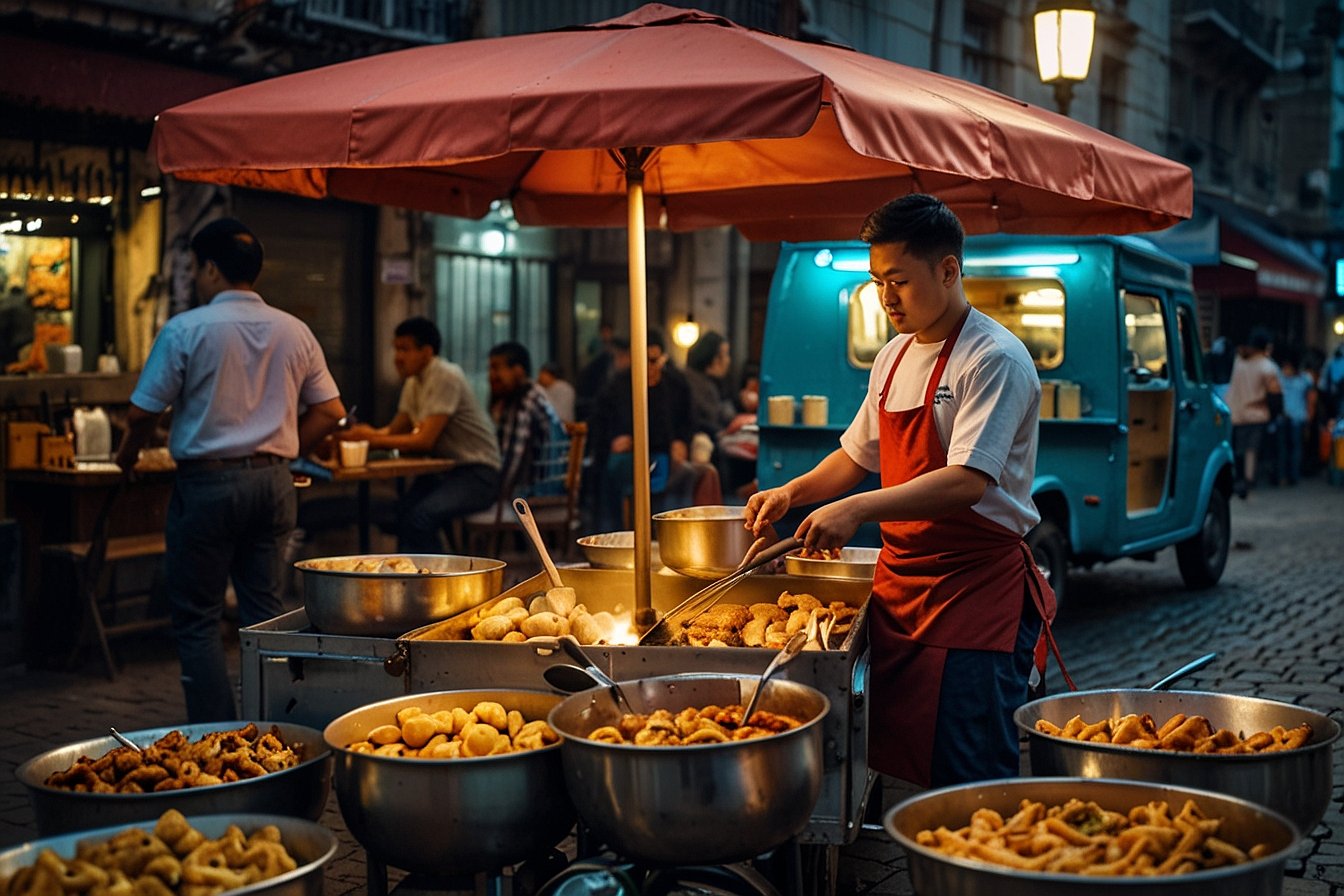
Picture this: the sizzle of pork spinning on a vertical spit, its edges caramelizing under the glow of a streetlamp in Mexico City. Or the sharp tang of lime and fish sauce cutting through the humid air of a Bangkok night market, where steam rises from woks the size of satellite dishes. The best meal of your life isn’t waiting behind a velvet rope or a Michelin star—it’s likely being served on a paper plate on a humid street corner in Bangkok or Mexico City.
For the modern traveler, food is the primary gateway to culture. It’s not just fuel; it’s the fastest way to understand a place’s history, its people, and its soul. But navigating the “street” can feel intimidating without a map. Crowded stalls, language barriers, questionable hygiene—it’s enough to make even the boldest culinary explorer hesitate. That’s where street food guides come in. These aren’t just lists of places to eat; they’re your backstage pass to authentic local cuisine, turning hesitant tourists into confident street-eaters.
In this ultimate guide, you’ll learn how to use street food guides to hunt down hidden gems, stay healthy while indulging, and decode the cultural stories behind every bite. Whether you’re a solo traveler chasing gastronomic mapping adventures or a home cook craving regional specialties to recreate, these tools will transform your next trip—or your next kitchen experiment—into an unforgettable journey. Let’s dive in and make your next meal one you’ll brag about for years.
Why Street Food Guides are Essential for Modern Travelers
Street food isn’t just cheap eats; it’s the beating heart of culinary tourism. In a world of Instagram-filtered restaurants and overpriced tourist traps, curated street food guides are your secret weapon. They cut through the noise and lead you straight to the real deal.
Moving Beyond the Tourist Traps
You know the scene: a neon-lit stall in a tourist-heavy square serving “local” dishes that taste suspiciously like they were designed for Western palates—bland, overpriced, and far from the source. Street food guides help you bypass those sanitized versions entirely. Instead, they point you toward bustling “food corridors” where locals actually eat. Take Chicago’s 26th Street in Little Village, often called La Villita. This mile-and-a-half stretch from Kedzie to Pulaski pulses with the energy of Mexico City. The air hums with the scent of sizzling beef, fresh masa tortillas, and roasting chicken. Vendors hand-pat tortillas on the spot, and taquerias crank out authentic guisados—slow-stewed meats in vibrant salsas—served with vinegary slaw and pico de gallo. No velvet ropes here; just pure, unfiltered flavor.
These guides reveal urban food corridors like this one—places where the crowd is 90% local and the turnover is constant. Skip the apps pushing “must-see” spots near your hotel. Real street food guides focus on community hubs, night markets, and food stalls that have stood the test of time.
Understanding Regional Identity Through the Plate
Every bite tells a story of migration, history, and hyper-local ingredients. A single taco al pastor in Mexico carries Lebanese immigrant roots (that vertical spit technique? Pure shawarma influence) blended with Mexican chiles and pineapple. Platforms like TasteAtlas play a huge role here, documenting “disappearing” traditional snacks and ranking the world’s best street foods based on real eater votes. As of March 2026, their top picks include Algeria’s karantika (chickpea batter baked to creamy perfection), Greece’s kontosouvli (herb-marinated pork skewers), and Mexico’s quesabirria—crispy birria tacos dunked in consomé.
Street food guides turn these rankings into your roadmap. They don’t just list dishes; they explain why a Thai som tum (spicy green papaya salad pounded tableside) tastes like pure Bangkok chaos, or how Vietnam’s roasted pork belly bánh mì captures colonial French baguette meets Southeast Asian herbs. Armed with this knowledge, you eat with intention—and suddenly, every stall becomes a lesson in gastronomic mapping.
Top Regional Street Food Guides to Explore Now
Ready to hit the streets? Here’s your curated hit list of the world’s most vibrant scenes, pulled from the latest TasteAtlas insights and on-the-ground intel.
The Latin American Corridor: Tacos, Tamales, and Beyond
Mexico owns the street food game, and TasteAtlas agrees—quesabirria and tacos consistently rank among the globe’s best. Start with the basics: know your al pastor (pork marinated in adobo, shaved off a flaming trompo spit with pineapple rings for that sweet-char balance) from your suadero (tender beef brisket-like cut, slow-cooked until melt-in-your-mouth).
In the U.S., Chicago’s 26th Street is your North American gateway. Picture Saturday afternoons: music blaring, families grazing from taqueria to taqueria. Hit Taqueria Los Barrilitos for a master-class al pastor—crispy-edged pork with caramelized sauce. Or Taqueria Atotonilco, where the trompo spins like a beacon and steak tacos come heavily salted with fresh cilantro and onion. Don’t miss the in-house tortillerias at spots like Taqueria El Milagro, churning out warm corn disks that make supermarket versions taste like cardboard. Graze three or four stalls: start with elotes (grilled corn slathered in mayo, cheese, and chili), move to gorditas stuffed with barbacoa, and end with a mangonada—spicy-sweet mango shaved ice. It’s budget travel at its finest: full belly for under $10.
Pro tip for solo travelers: these corridors are walkable, cash-friendly, and welcoming. Use a street food guide app or printed map to hop between vendors without the overwhelm.
The Vibrant Night Markets of Asia
Asia turns night markets into full sensory symphonies. Taiwan’s Shilin Night Market in Taipei sprawls like a neon-lit labyrinth—500+ stalls under one roof slinging oyster omelets (crispy on the outside, gooey inside), stinky tofu (love it or leave it, but the fermented funk is iconic), and dan bing (savory egg crepes). Thailand’s Jodd Fairs in Bangkok or Chatuchak Weekend Market deliver pure chaos: the crackle of woks, the perfume of grilled skewers, and som tum vendors pounding papaya with mortar and pestle until it sings with lime, peanuts, and bird’s-eye chili. Vietnam’s Ben Thanh Market in Ho Chi Minh City offers roasted pork belly bánh mì—crunchy baguette piled with pickled veggies, cilantro, and pâté—for pennies.
Navigating these? Arrive hungry after sunset. Follow your nose (and the longest local lines). Must-tries: Hainanese chicken rice (poached chicken over fragrant rice, served with chili-ginger sauce) in Singapore-influenced Thai stalls, or spicy som tum that’ll clear your sinuses and reset your soul. Street food guides here shine by mapping “food alleys” within markets—skip the tourist end, head deeper where the smoke is thickest.
European Classics: From Kiosks to Squares
Europe’s street scene is more refined but no less addictive. In Istanbul, grab a simit—crispy sesame rings sold by vendors balancing trays on their heads—like a Turkish bagel with attitude. Then head to the Galata Bridge for balık ekmek: fresh grilled mackerel (or whatever the day’s catch is) stuffed into crusty bread with onions, tomatoes, and a squeeze of lemon. Fishermen grill it right on boats bobbing in the Bosphorus—pure poetry in sandwich form.
London’s Borough Market or pop-up stalls revive artisan vibes with everything from Scotch eggs to global fusions. Berlin’s Street Food Thursdays at Markthalle Neun or weekend markets dish out currywurst (snappy sausage in curried ketchup) and döner kebabs stacked with spit-roasted meat. These scenes reward slow exploration—pair your bite with a local beer and people-watch as the square fills with evening chatter.
The Science of Selection: How to Spot an Authentic Stall
Not every cart is created equal. Here’s how to separate the gems from the duds using street food guides as your filter.
The “High Turnover” Rule
A long line of locals isn’t just Instagram bait—it’s the best health inspection money can’t buy. High turnover means ingredients fly out fresh, not sitting in the sun for hours. Watch the action: food should be cooked to order, not pre-fried and reheated. In Mexico City or Bangkok, the busiest stalls often have the shortest wait because they move product like lightning. If the line is all tourists snapping photos? Walk on.
Looking for Specialty Masters
Trust the vendor who does one thing exceptionally. The al pastor master in Chicago whose trompo never stops spinning. The Bangkok auntie whose som tum mortar has seen decades of pounding. The “Grandmother Factor” is real—multi-generational stalls pass down recipes that no chain can replicate. Ask (or gesture) about their specialty; proud vendors light up and often slip you an extra bite.
Practical Tips for Your Street Food Adventure
Staying Healthy on the Road
Yes, street food is safe—if you’re smart. The golden rule: “boil it, cook it, peel it, or forget it.” Opt for piping-hot items straight off the grill or wok. Peel your own fruit. Skip ice unless you trust the source (bottled drinks only). That said, break the rule wisely for things like fresh mango with chili—local stomachs handle it, and so can yours after a few days.
Pack smart for food safety for travelers: hand sanitizer (the gel kind, not wipes), charcoal tablets or Pepto for backup, and your own collapsible utensils if you’re extra cautious. Drink bottled water. Start slow—your gut will adapt faster than you think. And remember: the riskiest foods are often the “safe” hotel buffets, not the bustling stalls.
Etiquette and Payment
Cash is king in most street economies—carry small bills and exact change. Standing-room-only? Eat fast, smile, and move on so others can step up. Photography? Ask first with a grin and a thumbs-up; vendors love the love but hate being treated like zoo exhibits. Learn basic phrases—“thank you” in the local language goes farther than any guidebook. Tip if it feels right (many places don’t expect it, but a little goes far).
For beginners or solo travelers: start in daylight markets, join a small food tour if you’re nervous, then graduate to night adventures. Apps with offline maps are lifesavers.
Conclusion
Street food is the heartbeat of a city’s culture, and using the right street food guides turns a simple meal into an unforgettable adventure. From the spice clouds of Asian night markets to the sizzling corridors of Latin America and the refined kiosks of Europe, these experiences connect you to people and places in ways no museum ever could.
Armed with these insights—high-turnover rules, TasteAtlas rankings, safety essentials, and etiquette hacks—you can dine confidently anywhere from a bustling alleyway to a neighborhood festival. So download a local guide for your next destination (or bookmark this one). Challenge yourself: eat one meal “on the street” every day of your trip. Your taste buds, your Instagram feed, and your inner adventurer will thank you.
What’s your next street food destination? Drop it in the comments—I’ve got more hidden gems where these came from. Safe travels and happy eating!